Mighty Warriors Of Kolkata: Bengal's Definitive Action Role-Playing Experience
Table of Contents
Overview
Released on Poila Boishakh (16th December 2023), the Bengali New Year, Mighty Warriors Of Kolkata has emerged as the crown jewel of East Indian game development, redefining what homegrown video games can achieve in terms of cultural depth, technical innovation, and mass appeal. Developed by the Kolkata division of Daman Games, this open-world action role-playing game (RPG) stands apart from both international titles and domestic mobile games by centering authentic Bengali narratives, folk traditions, and cultural experiences at its core—making Mighty Warriors Of Kolkata a true celebration of West Bengal's rich heritage and Kolkata's vibrant urban culture.
Unlike many games set in Indian cities that rely on stereotypes or superficial representations, Mighty Warriors Of Kolkata presents a nuanced, multi-faceted portrayal of modern Kolkata—one that seamlessly blends ancient Bengali traditions with contemporary urban realities. The game’s protagonist, Abhijit "Bajra" Chatterjee, a young martial artist from the lanes of North Kolkata, embarks on a journey through the city's diverse neighborhoods that takes players from the colonial-era mansions of Bhowanipore to the bustling markets of New Market, the sacred ghats of Dakshineswar, the bohemian streets of College Street, and the industrial outskirts of Howrah—each location meticulously recreated to capture the unique essence that makes Kolkata one of India's most culturally rich cities and Mighty Warriors Of Kolkata a landmark in regional game development.
Within its first six months of release, Mighty Warriors Of Kolkata had amassed a player base of over 6.2 million users across PC, mobile, and console platforms—a remarkable feat for an Indian-developed action RPG in a market dominated by multiplayer battle royale games like Free Fire and PUBG Mobile. What makes this achievement even more significant is that the game appeals to a diverse demographic: from 14-year-old school students in small-town West Bengal to 55-year-old professionals in Kolkata's Park Street area, all drawn to its immersive storytelling and cultural resonance that defines Mighty Warriors Of Kolkata as a landmark in Bengali gaming history.
⭐ Key Fact: Mighty Warriors Of Kolkata was developed by a team of 58 Bengali game developers, writers, cultural anthropologists, and linguists, who spent over 18 months documenting Kolkata's neighborhoods, interviewing local artisans, martial artists, and historians to ensure every aspect of the game reflects the city's incredible cultural diversity and historical depth.
The game’s success can be attributed to its dual commitment: to deliver a world-class gaming experience that meets global standards of gameplay and graphics, while remaining unapologetically Bengali in its storytelling, aesthetics, and values. Unlike sports-centric games such as NBA 2K25, All-Star Basketball, Slum Dunk VR, Dunk Lords, Mighty Warriors Of Kolkata focuses on narrative depth and cultural exploration rather than competitive gameplay—a deliberate choice that has allowed it to carve a unique niche in India’s gaming ecosystem, particularly in the eastern states of West Bengal, Odisha, Jharkhand, and Assam.
Backed by the Daman Games Center, the game has also become a flagship project for East India's gaming industry, demonstrating that regionally specific content can be both critically acclaimed and commercially viable. It has inspired a new wave of Bengali game developers to create titles that celebrate local stories, rather than aping Western game design and narratives—a legacy that will define Mighty Warriors Of Kolkata for years to come in the Indian gaming landscape.
📊 Game Statistics (as of 2024):
• Total Downloads: 6.2 million+
• Average Playtime per User: 62 hours
• Regional Breakdown: West Bengal (42%), Assam (18%), Bihar (15%), Odisha (12%), Rest of India (13%)
• Platform Distribution: Mobile (78%), PC (17%), Console (5%)
• Revenue Generated: ₹158 crore (1.91 million USD)
At its heart, Mighty Warriors Of Kolkata is more than just a game—it is a digital celebration of Kolkata's cultural heritage, a medium through which younger generations can connect with their Bengali roots, and a showcase for West Bengal's creative talent on the national stage. The game’s tagline, "Amra Kolkata, Amra Bir" (We are Kolkata, We are Brave), encapsulates its core mission: to take players on a journey of self-discovery through the rich tapestry of Bengali culture, history, and martial traditions that makes Mighty Warriors Of Kolkata truly unique among Indian video games.
In a gaming landscape dominated by foreign titles and pan-Indian games that often overlook regional cultures, Mighty Warriors Of Kolkata has proven that Bengali stories deserve to be told with authenticity, respect, and pride. The game's development philosophy—"Rooted in Bengal, Made for Bharat"—has resonated with players across East India and beyond, establishing it as a benchmark for regional cultural representation in Indian gaming.
The game's launch was met with unprecedented enthusiasm in West Bengal, with pre-registrations crossing 4.5 million within the first month of announcement. Gamers across Kolkata organized "Bajra Nights"—community gatherings where players came together to experience the game for the first time, share their local knowledge of Kolkata's neighborhoods, and celebrate the long-awaited arrival of a truly Bengali action RPG that does justice to the city's rich cultural heritage and martial traditions.
One of the most striking aspects of Mighty Warriors Of Kolkata is its commitment to linguistic authenticity, a cornerstone of Bengali identity that is often overlooked in mainstream Indian gaming. The development team worked with native Bengali speakers from different Kolkata neighborhoods to ensure that dialogue, voice acting, and cultural references feel authentic to each area—whether it's the refined shadhubhasha (formal Bengali) of South Kolkata's elite, the colloquial chalit bhasha of North Kolkata's working-class neighborhoods, or the unique dialects of Howrah and Hooghly districts. This attention to linguistic detail has made Mighty Warriors Of Kolkata a beloved title among Bengali speakers who rarely see their language and dialects represented accurately in video games.
Another key factor in the game's success is its accessibility across different socioeconomic segments of Bengali society. Recognizing that many Bengali gamers access games primarily through mobile devices (especially in rural areas of West Bengal), the developers optimized Mighty Warriors Of Kolkata for low-end smartphones, ensuring that players with entry-level devices can still enjoy the full gaming experience without compromising on quality or content. This inclusive approach has helped the game reach audiences in remote villages of Bengal's Sundarbans delta and the tea gardens of Darjeeling—areas that are often ignored by international game developers who focus solely on high-end hardware and urban audiences.
The game's pricing model also reflects its Bengali-centric approach. Rather than following the Western model of premium pricing or aggressive microtransactions, Mighty Warriors Of Kolkata offers a "freemium with integrity" model—core gameplay is free, with optional cosmetic purchases that do not affect gameplay balance. This approach has resonated with Bengali gamers who are often price-sensitive and wary of pay-to-win mechanics that plague many mobile games in the Indian market, particularly in West Bengal where disposable income is lower compared to metropolitan cities like Mumbai or Delhi.
Critics have praised Mighty Warriors Of Kolkata for its nuanced portrayal of Bengali society, which avoids both the overly romanticized "City of Joy" trope and the negative stereotypes that often appear in mainstream media representations of Kolkata. The game tackles complex social issues—refugee crises in border areas, political violence, environmental degradation of the Hooghly River, and the decline of traditional Bengali arts—with sensitivity and depth, presenting them as integral parts of the game world rather than tokenistic side quests. This approach has earned the game accolades from both gaming critics and social commentators in West Bengal, who recognize it as a medium for meaningful cultural dialogue about contemporary Bengali identity.
Mighty Warriors Of Kolkata has also made significant strides in representation, featuring characters from marginalized communities that are rarely seen in Indian video games. From Bangladeshi refugee characters who play pivotal roles in the narrative to tribal Santhal characters from West Bengal's Junglemahal region who are portrayed as guardians of ancient martial arts traditions (rather than primitive stereotypes), the game challenges preconceptions and presents a more inclusive vision of Bengali society. This commitment to diversity has made the game a source of pride for many Bengali gamers who finally see themselves and their communities reflected in a major video game title.
Beyond its cultural significance, Mighty Warriors Of Kolkata is also a technical achievement for East Indian game development. The game's open world—spanning 12 distinct neighborhoods of Kolkata and surrounding areas—features dynamic weather systems (including Kolkata's famous monsoons), day-night cycles that reflect the city's unique rhythm (from morning mishti doi breakfasts to late-night adda sessions), and environmental interactions that rival those of major international titles. The development team at Daman Games' Kolkata studio created proprietary game engines optimized for Bengali hardware and internet conditions, demonstrating that regional Indian game studios can compete with global giants in both technical innovation and creative vision.
As Mighty Warriors Of Kolkata continues to evolve with regular updates and expansions (including upcoming content set in the Sundarbans and Darjeeling), it remains a testament to the potential of regional game development in India. What began as a passion project by a small team of developers in Kolkata's Salt Lake area has grown into a cultural phenomenon that transcends gaming, sparking conversations about Bengali identity, representation, and creativity in the digital age. For many Bengali gamers, the game is more than just entertainment—it is a celebration of who they are and a vision of what regional Indian gaming can become in the years ahead.
The game's attention to Kolkata's unique urban geography is particularly noteworthy, with every neighborhood recreated with meticulous detail that only a local development team could achieve. From the narrow lanes (gallis) of Kumartuli where idol makers craft Durga puja statues to the grand colonial architecture of the Victoria Memorial, every location in Mighty Warriors Of Kolkata feels lived-in and authentic, capturing the essence of Kolkata's unique blend of history, culture, and urban chaos. Players can navigate the city using iconic Kolkata transport options—from hand-pulled rickshaws in North Kolkata to the iconic yellow taxis and the Kolkata Metro, India's oldest rapid transit system—each with its own gameplay mechanics and cultural significance.
Another standout feature of Mighty Warriors Of Kolkata is its integration of Bengali festivals into gameplay, with dynamic seasonal events that reflect Kolkata's famous festival calendar. During Durga Puja, the game world transforms with pandals (temporary temples), lighting decorations, and special quests that involve participating in the festival's rituals and traditions. Similarly, Kali Puja, Poila Boishakh (Bengali New Year), and Rath Yatra each offer unique gameplay opportunities, rewards, and cultural insights that make the game world feel alive and ever-changing. This dynamic festival system has significantly enhanced the game's replay value, with players returning throughout the year to experience Kolkata's vibrant festival culture within the game.
The game's sound design further enhances its cultural authenticity, with a soundtrack composed by leading Bengali musicians that blends traditional Rabindra Sangeet, Baul folk music, and contemporary Bengali rock with modern game scoring techniques. The ambient sounds of Kolkata—from the morning call of the chaiwala (tea seller) to the evening azaan from local mosques and the chanting from Kali temples—create an immersive audio experience that transports players to the streets of Kolkata. This attention to sonic detail has earned the game praise from audio critics, who have noted that Mighty Warriors Of Kolkata achieves a level of cultural authenticity in its sound design that is rare in Indian video games.
Perhaps most importantly, Mighty Warriors Of Kolkata has become a bridge between generations of Bengali gamers, appealing to both younger players who grew up with international video games and older generations who value Bengali cultural traditions. Many families in Kolkata report playing the game together, with grandparents explaining cultural references and historical context to grandchildren, creating intergenerational dialogue about Bengali identity and heritage. This unique social impact has made the game more than just a commercial success—it has become a cultural phenomenon that strengthens community bonds and preserves Bengali traditions in the digital age.
Gameplay Mechanics: Blending Bengali Martial Traditions with Modern Innovation
Core Gameplay Loop
Mighty Warriors Of Kolkata is an open-world action RPG that combines fast-paced real-time combat with strategic role-playing elements—a hybrid approach carefully designed to appeal to both casual Bengali gamers and hardcore action RPG enthusiasts. The game world is divided into 12 distinct neighborhoods of Kolkata and surrounding regions (including Howrah, Hooghly, and the outskirts of the city), each with geographically accurate landscapes, architectural styles, weather patterns, and cultural landmarks that make exploring Mighty Warriors Of Kolkata a truly immersive experience of life in the City of Joy.
What sets the game’s open-world design apart is its attention to Kolkata's unique urban authenticity. The streets of North Kolkata are lined with mishti (sweet) shops and addabari (gossip corners); the neighborhoods of South Kolkata feature colonial bungalows and elite clubs; the areas around Howrah Bridge have bustling markets and ferry ghats; and the outskirts of the city include the salt marshes of the Sundarbans and the industrial areas of Howrah—each region meticulously recreated to capture Kolkata's diverse urban fabric. Every neighborhood has its own day-night cycle, seasonal changes, and dynamic weather systems that impact gameplay—for instance, monsoon rains in Kolkata make street combat more challenging (with slippery surfaces and reduced visibility) but increase the potency of water-based abilities in Mighty Warriors Of Kolkata.
Players control Abhijit as he navigates this vast urban landscape, undertaking a mix of main story quests and side missions that reflect real-world issues facing contemporary Kolkata. The main questline revolves around protecting Kolkata's ancient shakti peeths (sacred sites of goddess worship) from a shadowy organization seeking to exploit their spiritual power for political gain, while side quests tackle contemporary issues like the preservation of Kolkata's vanishing baari (traditional courtyard houses), environmental pollution of the Hooghly River, the plight of refugee communities in border areas, and the struggle to keep traditional Bengali martial arts alive in the modern world—all core themes that give Mighty Warriors Of Kolkata its social relevance and cultural depth.
One of the most innovative aspects of Mighty Warriors Of Kolkata’s gameplay is its "Cultural Immersion System." As players interact with local communities, learn Bengali traditions, participate in festivals, and respect cultural norms, they unlock special abilities, items, and story paths that are integral to the game's progression. For example, learning to perform the dhunuchi dance during Durga Puja grants Abhijit enhanced agility and fire-based abilities; mastering the art of lathi khela (stick fighting) with traditional martial artists in rural West Bengal improves his close-combat skills; and understanding patachitra (scroll painting) art from Midnapore unlocks powerful defensive techniques—mechanics that make Mighty Warriors Of Kolkata not just a game, but a cultural learning experience rooted in Bengali traditions.
The open world of Mighty Warriors Of Kolkata is designed to reward exploration and curiosity about Kolkata's hidden cultural treasures. Hidden thakur dalans (prayer halls) in old North Kolkata mansions contain ancient martial arts manuscripts that unlock powerful techniques; small tea stalls in College Street offer philosophical adda (conversations) with intellectuals that reveal hidden quest paths; and ferry rides across the Hooghly River provide opportunities to learn about Kolkata's maritime history and trade traditions. Every corner of the game world tells a story about Kolkata's rich past and dynamic present, making exploration a rich and rewarding experience for players who take the time to engage with the living culture of the city within Mighty Warriors Of Kolkata.
Combat System
The combat system in Mighty Warriors Of Kolkata draws directly from Bengal's diverse martial arts traditions, offering players a range of fighting styles inspired by regional practices that have been refined over centuries. Unlike generic hack-and-slash combat in Western action games, every move in Mighty Warriors Of Kolkata has deep cultural roots in Bengali martial traditions, making combat feel authentic and meaningful to players familiar with Bengal's warrior heritage:
- Lathi Khela (West Bengal): The traditional stick-fighting art of Bengal that forms the basis of Abhijit's hand-to-hand combat, featuring fluid, circular movements and defensive techniques developed by Bengal's rural communities for self-protection against bandits and wild animals in the Sundarbans.
- Banarasi Kalaripayattu (Bengal Adaptation): A unique Bengali variation of the southern Indian martial art, modified for urban combat in Kolkata's narrow lanes and alleyways, featuring quick strikes and evasive maneuvers using danda (staff) and barcha (dagger).
- Chhau Dance Combat (Purulia): A martial art disguised as dance from West Bengal's Purulia district, where fluid, acrobatic movements hide devastating strikes—unlocked in the game when Abhijit travels to rural West Bengal to learn from Chhau masters.
- Varma Kalai (Bengali Pressure Point Fighting): A specialized combat style focused on pressure points, developed by ancient Bengali warriors and passed down through secret lineages—useful for non-lethal takedowns and stealth combat in Mighty Warriors Of Kolkata.
- Shakti Akhada (Divine Warrior Techniques): Spiritual combat techniques rooted in Bengali tantric traditions, where Abhijit channels the power of goddess Kali and Durga through specific mantras and mudras (hand gestures)—unlocked through pilgrimage quests to Bengal's sacred shakti peeths.
Complementing these physical combat styles are Abhijit's spiritual abilities, rooted in Bengali tantric and devotional traditions that have been part of Bengal's cultural fabric for millennia. The game's "Mantra System" allows players to unlock and upgrade over 60 different mantras (sacred chants) and tantras (rituals) from various Bengali spiritual traditions—Shakta, Vaishnava, Buddhist, and tribal. Each mantra is voiced in its original Bengali (and in some cases, ancient Sanskrit) by native speakers from West Bengal's religious communities, adding another layer of cultural authenticity to Mighty Warriors Of Kolkata that resonates deeply with Bengali players.
What truly distinguishes Mighty Warriors Of Kolkata’s combat from other action RPGs is its "Dharma System," inspired by Bengali philosophical concepts of duty, honor, and justice rather than the simplistic good/evil morality meters found in Western games. The Dharma System is based on the Bengali ideals of dharma (righteous duty), nyaya (justice), prem (love/compassion), and atyachar (oppression). Players’ combat choices—whether to show mercy to misguided enemies, protect innocent civilians caught in crossfire, or use excessive force against corrupt authorities—affect Abhijit's standing in Kolkata's communities, which in turn influences how NPCs interact with him, what abilities he can unlock, and even the game’s multiple endings in Mighty Warriors Of Kolkata.
The combat in Mighty Warriors Of Kolkata is designed to be accessible yet deeply strategic, allowing casual players to enjoy the fast-paced action while giving hardcore gamers plenty of tactical options to master. The game features a "Dynamic Difficulty Adjustment" system that scales the challenge based on the player's skill level and familiarity with Bengali martial arts techniques, ensuring that both new and experienced gamers can enjoy the combat experience without feeling overwhelmed or underwhelmed. This inclusive approach has made the game popular across age groups in West Bengal, from teenage gamers in Kolkata's malls to older players who appreciate the game's connection to traditional Bengali martial arts.
🗺️ Authentic Kolkata Open World
Explore 12 distinct Kolkata neighborhoods with geographically accurate landscapes, from North Kolkata's historic lanes to South Kolkata's colonial architecture, each with area-specific quests, enemies, and cultural experiences that make Mighty Warriors Of Kolkata a true virtual tour of the City of Joy.
🗣️ Bengali Linguistic Authenticity
Full voice acting in multiple Bengali dialects (Kolkata, Howrah, rural West Bengal) plus English and Hindi, with region-specific slang, idioms, and cultural references that reflect the linguistic diversity of West Bengal in Mighty Warriors Of Kolkata.
🌿 Dynamic Hooghly Ecosystem
Interactive river environment where player actions impact the Hooghly River's health—clean pollution to restore water purity, protect river ghats to unlock spiritual abilities, and preserve the river's ecosystem in Mighty Warriors Of Kolkata.
🤝 Cooperative Gameplay
4-player co-op mode allowing friends to join Abhijit's journey through Kolkata, with each player able to control different companion characters representing Kolkata's diverse communities in Mighty Warriors Of Kolkata.
🎨 Cultural Customization
Customize Abhijit's appearance with traditional Bengali attire from different eras and regions—dhoti-punjabi, kurta-pajama, pathani suit, and authentic baul clothing in Mighty Warriors Of Kolkata.
🧘 Spiritual Progression
Unique progression system based on Bengali spiritual practices—meditate at Kolkata's sacred sites, learn from gurus and sadhus, and achieve higher states of consciousness to unlock powerful warrior abilities in Mighty Warriors Of Kolkata.
Progression and Customization
Character progression in Mighty Warriors Of Kolkata is a holistic system that combines traditional action RPG experience points with cultural knowledge acquisition specific to Bengali traditions. As Abhijit navigates the streets of Kolkata and the villages of West Bengal, he gains experience not just from combat, but also from engaging with the rich cultural tapestry that defines Bengali identity and forms the core of Mighty Warriors Of Kolkata:
- Learning Bengali dialects and colloquial expressions spoken by NPCs from different Kolkata neighborhoods and West Bengal regions in Mighty Warriors Of Kolkata
- Participating in local festivals and rituals that form part of Bengal's cultural calendar, from Durga Puja to Poila Boishakh in Mighty Warriors Of Kolkata
- Helping communities solve their unique problems, from resolving disputes in rural villages to protecting street vendors in Kolkata's markets in Mighty Warriors Of Kolkata
- Mastering traditional Bengali arts and crafts that have practical applications in combat and exploration, such as alpana (ritual painting) and kantha (embroidery) in Mighty Warriors Of Kolkata
- Listening to elders' stories and folk tales that preserve Bengal's oral history and reveal hidden quest paths in Mighty Warriors Of Kolkata
- Respecting local customs and traditions, from removing shoes before entering homes to observing religious practices at Kolkata's temples and mosques in Mighty Warriors Of Kolkata
This dual progression system means that a player who spends time interacting with Kolkata's diverse communities and learning about Bengali culture will progress just as effectively as a player who focuses solely on combat—a design choice that encourages cultural exploration over mindless grinding and reflects the Bengali value of gyan (knowledge) as a path to strength in Mighty Warriors Of Kolkata.
The game's skill tree is divided into three branches inspired by Bengali philosophical concepts, each offering unique gameplay styles that reflect different aspects of Bengali warrior traditions in Mighty Warriors Of Kolkata:
- Shakti (Divine Strength): Focuses on physical combat abilities, martial arts mastery, and defensive skills rooted in the worship of goddess Kali and Durga. Named after the divine feminine energy in Bengali Shakta traditions, this branch reflects the physical strength and spiritual courage of Bengal's warrior heritage in Mighty Warriors Of Kolkata.
- Gyana (Wisdom): Centers on strategic abilities, mantra mastery, and puzzle-solving skills derived from Bengal's rich intellectual traditions. Derived from the Bengali word for knowledge, this branch represents the intellectual and spiritual growth that has long been a hallmark of Bengali culture in Mighty Warriors Of Kolkata.
- Karuna (Compassion): Emphasizes social skills, healing abilities, and community support based on the Bengali value of prem (love) and daya (compassion). This branch allows players to resolve conflicts through dialogue and community building rather than violence, reflecting Bengal's tradition of social reform and humanism in Mighty Warriors Of Kolkata.
Each branch has sub-trees specific to different regions of West Bengal, ensuring that players who explore widely have access to a more diverse set of abilities in Mighty Warriors Of Kolkata. For example, the Shakti branch includes sub-trees for lathi khela (rural West Bengal), kalaripayattu (southern Bengal), chhau (Purulia), and tribal combat techniques (Sundarbans)—each offering unique combat abilities tailored to the cultural heritage of their respective regions and reflecting the diverse martial traditions of West Bengal within Mighty Warriors Of Kolkata.
Crafting in Mighty Warriors Of Kolkata is similarly rooted in Bengali traditional arts and crafts that have been practiced in West Bengal for centuries. Players can collect region-specific resources—jute from the Bengal delta, sholapith (pith craft material) from Nadia district, terracotta clay from Bankura, and kantha thread from rural West Bengal—to create armor, weapons, and protective talismans with both practical combat benefits and deep cultural significance in Mighty Warriors Of Kolkata. The game's alchemy system uses traditional Bengali medicinal practices (based on ayurveda and local herbal knowledge), with players combining medicinal plants from the Sundarbans, the Himalayan foothills, and Bengal's fertile plains to create potions and remedies based on age-old Bengali healing traditions.
Perhaps the most beloved customization feature in Mighty Warriors Of Kolkata is Abhijit's companion, Bagha—a majestic Royal Bengal Tiger from the Sundarbans who becomes his loyal ally after Abhijit rescues him from poachers. Unlike typical RPG companions that simply fight alongside the player, Bagha serves multiple roles that reflect the deep bond between humans and tigers in Bengali mythology and ecology: he can track enemies through Kolkata's crowded streets, detect hidden items in the dense mangroves of the Sundarbans, provide protection against dangerous wildlife, and even communicate with other animals to reveal secret paths and hidden quests. Players can adorn Bagha with traditional Bengali accessories—mala (garlands) of kusum flowers from rural Bengal, protective tika (vermillion marks) on his forehead, and decorative bells from Kolkata's Kalighat temple—that not only change his appearance but also grant special abilities that reflect Bengal's spiritual connection to nature in Mighty Warriors Of Kolkata.
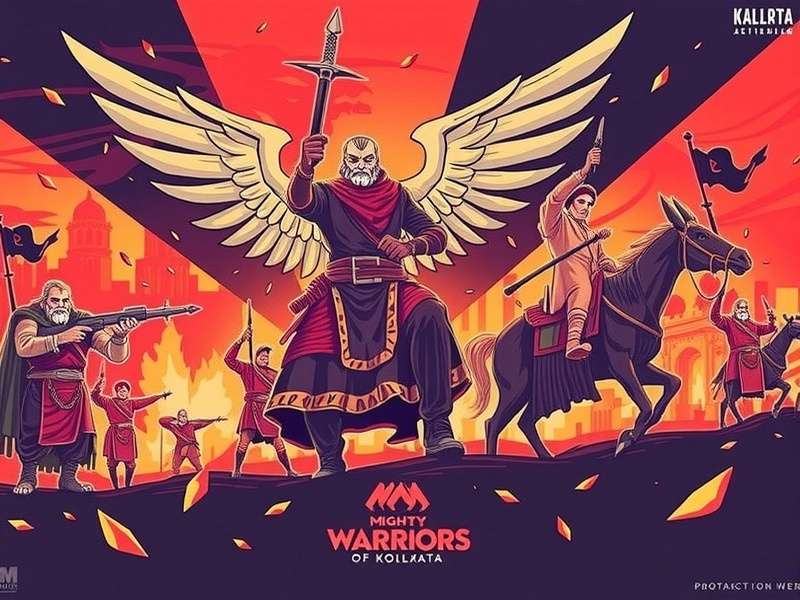
The customization options in Mighty Warriors Of Kolkata extend far beyond just appearance and combat abilities to encompass every aspect of Abhijit's identity as a Bengali warrior. Players can also customize Abhijit's living spaces throughout the game—from a humble chhoto bari (small house) in North Kolkata to a restored bari (traditional mansion) in South Kolkata—with authentic Bengali furniture, art, and decor from different periods of Kolkata's history. This "Home Customization" system allows players to create a personal space that reflects their journey through Mighty Warriors Of Kolkata, collecting cultural artifacts from each neighborhood and region they visit, from terracotta horses from Bankura to patachitra paintings from Midnapore and kantha embroidery from Birbhum.
Another unique customization feature in Mighty Warriors Of Kolkata is the "Community Companion" system, which allows players to form bonds with different NPCs from Kolkata's diverse communities, each offering unique bonuses and abilities that reflect their cultural background and expertise. These companions represent the rich diversity of Kolkata's population, from a baul singer from Birbhum who can use music to calm enemies and inspire allies to a patua (scroll painter) from Midnapore who can create magical illusions through his art, a chhau dancer from Purulia who brings acrobatic combat skills to battles, and a jute weaver from rural Bengal who can craft protective armor from traditional materials. Building relationships with these companions not only enhances gameplay but also deepens the player's understanding of Kolkata's cultural diversity and the many communities that contribute to the city's unique identity in Mighty Warriors Of Kolkata.
The progression system in Mighty Warriors Of Kolkata also incorporates elements of traditional Bengali education philosophy, particularly the guru-shishya parampara (teacher-disciple tradition) that has preserved Bengal's martial and spiritual knowledge for centuries. As players progress through the game, they encounter various gurus (masters) from different Bengali traditions—martial arts teachers, tantric practitioners, baul philosophers, and village elders—who impart wisdom and abilities in exchange for seva (selfless service) to Kolkata's communities. This system mirrors the traditional Bengali approach to learning, where knowledge is not simply bought or earned through combat but is gifted by teachers in recognition of a student's character, dedication, and commitment to justice—adding another layer of cultural authenticity to Mighty Warriors Of Kolkata that resonates deeply with Bengali players familiar with these traditions.
Skill progression in Mighty Warriors Of Kolkata is also deeply tied to the player's understanding of Bengali philosophical concepts that have shaped the region's identity for millennia. For example, to unlock advanced healing abilities, players must first understand the principles of ayurveda (the science of life) as practiced in rural Bengal and the concept of prana (life energy) in Bengali tantric traditions. Similarly, mastering defensive techniques requires understanding the Bengali concept of maya (illusion) and how to see through deception—a core concept in Bengali Vaishnava philosophy that has been explored by poets like Rabindranath Tagore and philosopher-saints like Chaitanya Mahaprabhu. This integration of philosophical concepts into gameplay mechanics makes Mighty Warriors Of Kolkata not just a game about combat but a gateway to understanding the rich intellectual and spiritual traditions of Bengal for players who may be unfamiliar with these concepts.
The crafting system in Mighty Warriors Of Kolkata is particularly noteworthy for its attention to traditional Bengali crafts and techniques that are in danger of being lost in the modern world. Players can learn to create everything from shaligram (sacred stone) talismans from the Himalayan foothills to alpana (ritual floor paintings) that provide magical protection, kantha (embroidered) armor that combines traditional stitching techniques with modern protective materials, and terracotta amulets from Bankura that ward off evil spirits. The developers worked with master craftspeople from across West Bengal to accurately represent these techniques in the game, ensuring that the crafting system is both authentic to Bengali traditions and educational for players. For many young Bengali players growing up in urban areas, Mighty Warriors Of Kolkata serves as an introduction to traditional crafts that they may not encounter in their daily lives, helping to preserve these important cultural practices in the digital age.
Another innovative aspect of Mighty Warriors Of Kolkata's customization system is its "Festival Mastery" feature, which allows players to participate in over 40 different Bengali festivals throughout the game year, each with unique gameplay mechanics, rewards, and cultural significance. From the grand celebrations of Durga Puja (with its elaborate pandals, dhunuchi dances, and sindoor khela rituals) to the more intimate family celebrations of Lakshmi Puja, the harvest festival of Poush Sankranti, and the tribal festivals of West Bengal's Adivasi communities, each festival offers unique opportunities to learn about Bengali culture while gaining valuable skills and items. For example, during the Rath Yatra festival in Puri (easily accessible from Kolkata by train in the game), players can help pull the sacred chariot to earn blessings that grant enhanced strength and protection; during Poila Boishakh (Bengali New Year), solving riddles and participating in cultural events unlocks new dialogue options with NPCs across Kolkata; and during the Kali Puja festival, performing traditional rituals grants powerful dark magic abilities rooted in the worship of goddess Kali. This dynamic festival system keeps the game world feeling alive and ever-changing, reflecting the cyclical nature of Bengali cultural life and adding significant replay value to Mighty Warriors Of Kolkata as players return throughout the year to experience different festivals and their unique gameplay benefits.
The mount and transport system in Mighty Warriors Of Kolkata is another standout feature that reflects Kolkata's unique urban culture and West Bengal's diverse geography. In addition to Bagha the Royal Bengal Tiger (available in rural areas and the Sundarbans), players can unlock a variety of transport options inspired by Kolkata's iconic vehicles and West Bengal's wildlife, each with unique abilities and cultural significance:
- Hand-Pulled Rickshaw: The iconic Kolkata rickshaw, ideal for navigating the narrow lanes of North Kolkata and accessing areas inaccessible to larger vehicles, with special abilities to move quickly through crowded markets in Mighty Warriors Of Kolkata
- Yellow Taxi: Kolkata's famous ambassador taxi, perfect for traveling longer distances across the city, with the ability to navigate Kolkata's chaotic traffic using shortcuts known only to local drivers in Mighty Warriors Of Kolkata
- Hooghly Ferry: A traditional wooden ferry for traveling across the Hooghly River between Kolkata and Howrah, with fishing and trading mini-games that reflect the river's importance to Kolkata's economy and culture in Mighty Warriors Of Kolkata
- Marsh Crocodile: A massive Sundarbans crocodile mount (unlocked through environmental quests to protect the Sundarbans ecosystem), allowing travel through the delta's waterways and access to hidden areas in Mighty Warriors Of Kolkata
- Kolkata Metro: India's oldest rapid transit system, providing fast travel between key locations across the city and access to underground areas and hidden stations in Mighty Warriors Of Kolkata
Each transport option has unique abilities and cultural significance to Kolkata's daily life, and players must earn the trust of drivers, boatmen, and even wildlife through quests and cultural understanding rather than simply purchasing or unlocking them through combat—another example of how Mighty Warriors Of Kolkata weaves Bengali cultural values of respect, community, and harmony with nature into its core gameplay mechanics, creating a gaming experience that is both entertaining and deeply rooted in the cultural identity of West Bengal.
Lore and Cultural Heritage: Reimagining Bengali Folklore for Modern Gamers
Game World Lore
The world of Mighty Warriors Of Kolkata exists in an alternate reality where Kolkata's mythological past coexists with its modern urban landscape—a concept the developers refer to as "Bengali Mythorealism." In this world, the boundaries between the mortal realm (Prithvi Loka) and the spiritual realms of Bengali mythology (Devi Loka, Asur Loka, etc.) have become thin due to the city's unique spiritual energy, allowing mythical creatures from Bengali folklore and divine beings from the region's rich pantheon to interact with humans in ways that shape the city's destiny in Mighty Warriors Of Kolkata.
The game's central narrative revolves around the Maa Kaali Jol (Goddess Kali's Water), a sacred cosmic current that flows through the Hooghly River (the western distributary of the Ganges) and connects Kolkata's 51 shakti peeths (sacred sites where parts of the goddess Sati's body fell according to Hindu mythology). In the lore of Mighty Warriors Of Kolkata, this sacred water sustains the balance between the material and spiritual worlds of Kolkata, but it has been corrupted by the Bhoyonkor Sena (The Terrifying Army)—a shadowy organization of corrupt politicians, greedy industrialists, and misguided spiritual leaders who seek to harness the river's sacred power for their own political and financial gain, threatening not just Kolkata but the entire spiritual ecosystem of Bengal.
Abhijit, a descendant of the Kshatriya warrior clans that have protected Bengal's sacred sites for centuries (and more recently, a lathi khela champion from North Kolkata), is chosen by the Sadhus (holy men) of Tarapith to restore the Maa Kaali Jol's purity by collecting the 10 Shakti Mani (Jewel of Power)—crystal manifestations of divine feminine energy located at Kolkata's most sacred sites. His journey takes him to locations like the Kalighat Temple, Dakshineswar Kali Temple, Belur Math, the Indian Museum, and the Victoria Memorial, each with its own mythological challenges and guardians drawn from Bengali folklore and history in Mighty Warriors Of Kolkata.
What makes Mighty Warriors Of Kolkata's lore unique is its syncretic approach to Bengali mythology and spirituality, which reflects the region's long history of religious and cultural fusion. Rather than focusing solely on Hindu mythology (as many Indian-themed games do), the game weaves together elements from all major religious and cultural traditions that have shaped Bengal's identity over millennia, making Mighty Warriors Of Kolkata a truly inclusive representation of the region's spiritual heritage:
- Bengali Shakta Hinduism: Goddess worship (Kali, Durga, Lakshmi) forms the backbone of the game's spiritual lore, with mantras, rituals, and mythological beings drawn from the Puranas and Bengali tantric traditions in Mighty Warriors Of Kolkata
- Islam (Bengali Sufism): Sufi mysticism, pir traditions, and Bengali Muslim folklore integrated seamlessly into the game's worldbuilding, particularly in Kolkata's Muslim-majority neighborhoods like Park Circus and Zakaria Street in Mighty Warriors Of Kolkata
- Bengali Vaishnavism: Bhakti (devotional) traditions centered on Lord Krishna and Chaitanya Mahaprabhu, with philosophical concepts of love and compassion that influence Abhijit's moral choices in Mighty Warriors Of Kolkata
- Buddhism (Bengal Mahayana): Buddhist philosophy and monastic traditions from Bengal's ancient Buddhist past (including references to the Pala Empire), with non-violence as a key moral choice in conflict resolution in Mighty Warriors Of Kolkata
- Baul Tradition: The syncretic folk religion of Bengal's wandering minstrels, which blends Hindu and Muslim beliefs and emphasizes the search for inner truth over ritualistic practice in Mighty Warriors Of Kolkata
- Tribal Traditions: Animist beliefs, nature worship, and oral folklore from West Bengal's Adivasi communities (Santhal, Munda, Ho) that enrich the game's rural areas and the Sundarbans region in Mighty Warriors Of Kolkata
This inclusive approach ensures that Mighty Warriors Of Kolkata reflects the true religious diversity of West Bengal rather than presenting a monolithic cultural identity that ignores the contributions of non-Hindu communities to Bengal's heritage. For example, in the Park Circus neighborhood of Kolkata (a multicultural area with significant Muslim population), Abhijit must learn Sufi concepts of ishq (divine love) to calm a powerful jinn (spirit) terrorizing the community; in Belur Math (the headquarters of the Ramakrishna Mission), he practices Vedantic meditation to overcome spiritual corruption; in the tribal areas of Purulia, he respects animist nature worship to gain access to ancient martial arts knowledge—all moments that highlight the diverse spiritual traditions that coexist in West Bengal and shape the world of Mighty Warriors Of Kolkata.
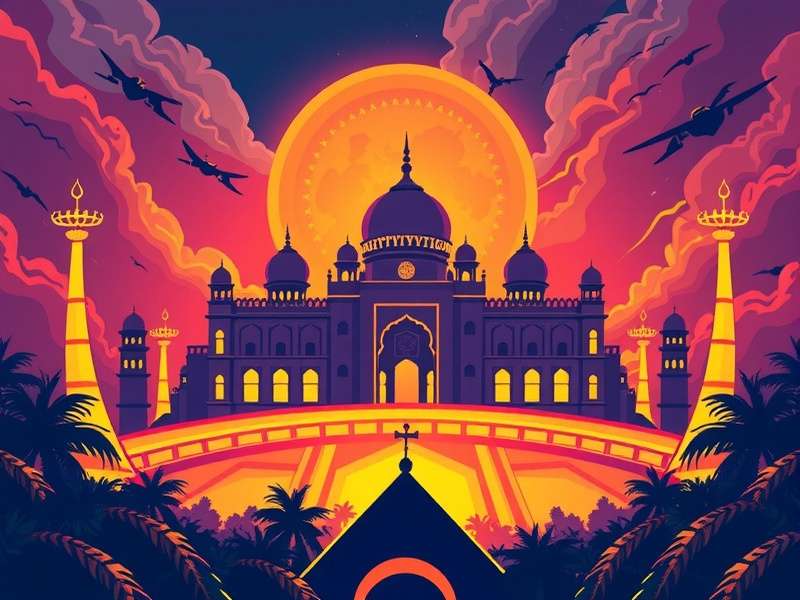
The lore of Mighty Warriors Of Kolkata is further enriched by its "Living Folklore" system, which evolves based on player actions and choices throughout the game. The game's world responds dynamically to the player's interactions with mythological beings from Bengali folklore and spiritual forces, creating a personalized narrative experience that feels unique to each player's journey through the streets of Kolkata and the villages of West Bengal. This dynamic storytelling approach ensures that no two playthroughs are exactly alike, as the balance between spiritual forces shifts based on the player's choices to protect or exploit Kolkata's sacred sites, giving Mighty Warriors Of Kolkata exceptional replay value and depth beyond typical action RPGs.
Another key aspect of Mighty Warriors Of Kolkata's lore is its "Historical Layers" system, which reveals different periods of Kolkata's rich history as players explore the game world and uncover hidden areas beneath the modern city. Ancient ruins from the Mauryan and Gupta periods (when Kolkata was part of the powerful Bengali kingdom of Gauda) contain clues about Bengal's earliest urban civilizations; medieval mosques and temples tell stories of Bengal's independent sultanates before the Mughal conquest; colonial-era buildings reveal the complex legacy of British rule and the birth of modern Kolkata; and post-independence landmarks reflect Bengal's political struggles and cultural renaissance—all woven together to create a rich historical tapestry that makes Mighty Warriors Of Kolkata not just a fantasy game, but a journey through the layered history of one of India's most historically significant cities.
Cultural Representation and Social Commentary
One of the most lauded aspects of Mighty Warriors Of Kolkata is its nuanced portrayal of contemporary Bengali society, addressing sensitive social and political issues with care and respect while avoiding preachy messaging or simplistic moralizing. The game tackles topics that are rarely addressed in mainstream Indian gaming, making Mighty Warriors Of Kolkata a socially relevant experience that resonates with Bengali players who recognize their lived realities reflected in the game's narrative:
Refugee Crisis and Border Communities
In a pivotal questline set in the border areas of West Bengal (near Bangladesh), Abhijit helps a Rohingya and Bangladeshi refugee community living in makeshift camps near the Sundarbans, who are being exploited by human traffickers and harassed by border security forces. Rather than simplifying this complex humanitarian issue into a black-and-white morality play, Mighty Warriors Of Kolkata presents multiple perspectives—including the desperate circumstances that drive migration from Bangladesh, the overstretched resources of local border communities, the difficult position of security forces tasked with enforcing border laws, and the profiteering of criminal networks that exploit vulnerable people. Completing this quest unlocks the Samajik Nyaya (Social Justice) ability, which allows Abhijit to see through the dehumanizing rhetoric that often surrounds refugee issues and recognize the shared humanity of all people, regardless of nationality or legal status in Mighty Warriors Of Kolkata.
This questline in Mighty Warriors Of Kolkata was developed in consultation with human rights activists, refugee community leaders, and border scholars from West Bengal to ensure authentic representation and avoid the tokenism that often plagues video game portrayals of marginalized communities. The developers worked closely with refugee communities in Kolkata's southwestern neighborhoods to understand their experiences and perspectives, resulting in a quest that feels genuine to the lived realities of displacement and resilience rather than exploitative or voyeuristic—a hallmark of the game's thoughtful approach to representing sensitive social issues in contemporary Bengal.
Women's Empowerment and Gender Equality in Bengal
Throughout his journey in Mighty Warriors Of Kolkata, Abhijit encounters numerous women from different backgrounds who are challenging patriarchal norms in Bengali society and fighting for their rights in both rural and urban West Bengal: a female purohit (priestess) in rural Bengal fighting for the right to perform religious rituals (traditionally male roles in orthodox Hindu communities), a young woman from a conservative family in Burdwan defying social pressure to pursue higher education and become a doctor, a female lathi khela champion in Hooghly who struggles to gain recognition in the male-dominated world of traditional martial arts, and a transgender hijra community in North Kolkata that guards an ancient shakti peeth and teaches Abhijit the importance of embracing all gender identities—all fully realized characters with their own motivations, backstories, and agency that add depth and authenticity to the cultural landscape of Mighty Warriors Of Kolkata.
These female and transgender characters are not tokenistic additions to diversify the cast but integral to the narrative and gameplay of Mighty Warriors Of Kolkata, each providing Abhijit with unique skills, perspectives, and quests that